Staying fit for work and protecting your crew
Alcohol and other drugs (AOD) pose a serious safety risk in the mining and energy industries. Even small amounts of alcohol, misused prescription medication, or other substances can impact judgment, reaction times, and decision-making in some of the most hazardous working conditions in Australia.
The MEU is committed to ensuring workplaces have fair, transparent, and safe AOD management policies so workers are protected, not punished, and safety always comes first.
Why AOD is a hazard in mining
Even low levels of alcohol or drug use can lead to:
- Impaired judgment and slower reaction times
- Reduced coordination and alertness
- Poor decision-making in safety-critical environments
- Increased risk of incidents, near misses, and fatalities
In isolated or remote work environments, the consequences of an impaired worker being unable to respond to an emergency can be fatal.
Mining is a high-risk sector where split-second decisions matter. Working under the influence puts not only the individual worker at risk, but their entire crew.
I am taking a prescribed drug – how do I manage this at work?
Consult your prescribing doctor
Inform your doctor that you work in mining or energy and perform safety-critical tasks. Ask whether the medication may impair your fitness for work, and request a medical clearance letter to provide to your employer.
Understand workplace policies
Review your company’s Fitness for Work, Drug and Alcohol, and Medication Disclosure policies. Some sites enforce zero-tolerance for THC, even if you have a legal prescription for medicinal cannabis.
Disclose appropriately (confidentially)
If a medication may impair your ability to work safely, you should disclose this to:
- Your supervisor or site manager
- The site health/medical officer
- A designated safety contact or WHS representative
You do not need to disclose your underlying medical condition – only the potential impairment. If you have any concerns, discuss this with your MEU representative.
Provide documentation
Your employer may request:
- Your prescription
- A medical certificate
- A fitness-for-duty letter
These help them conduct a proper AOD/fitness-for-work risk assessment.
Participate in a risk assessment
Your employer may:
- Modify or reassign your duties
- Conduct task-specific risk assessments
- Monitor your symptoms and work performance
Be aware of drug-testing implications
THC can remain detectable long after impairment has passed. A positive test may result in disciplinary action if:
- The site has a zero-tolerance policy
- You didn’t follow disclosure procedures
Keep your union informed
Speak to your MEU delegate if you:
- Face discrimination or threats of discipline
- Need help disclosing safely
- Require support negotiating modified duties
Update if medications change
If your prescription changes or ends, your duties may need reassessment before returning to full operational tasks.
Maintain privacy
Your medical information must be handled according to privacy laws. Only staff involved in managing the risk may access it.
Contributing factors in the industry
Mining and energy workers face unique pressures that can increase AOD use:
- Remote and isolated work
- Long shifts and fatigue
- FIFO/DIDO rosters
- Stress, trauma, and limited support
- Cultural pressures around drinking in camps
The MEU continues to push for systems that address these structural issues—not just blame
individuals.
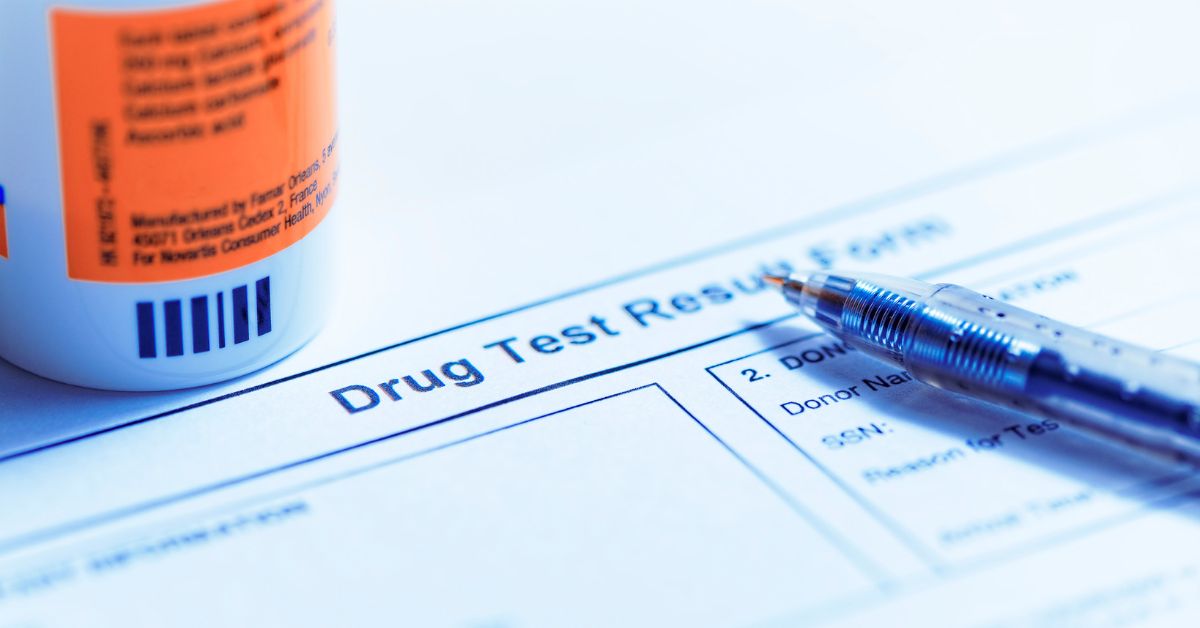
Drug and alcohol testing
Most sites use several types of testing to ensure workers are fit for duty:
- Pre-employment testing
- Random testing
- Post-incident testing
- For-cause testing
- Return-to-duty testing
Testing methods may include urine, saliva, and breath analysis.
The MEU supports drug and alcohol testing for recent drug and alcohol use to manage risk of impairment in workplaces where our members work. Oral swab testing for drugs should be the preferred method of testing in conjunction with other procedures to test for impairment.
While AOD testing is important, it does not always measure impairment accurately. For example, THC can remain detectable for days or weeks. Workers should assess their own impairment honestly and never work while intoxicated or too hungover to perform duties safely.
Testing should be fair, consistent, and risk-based – not punitive.
Best practice in AOD management
Employers are legally responsible for ensuring workers are not exposed to AOD-related
risks.
A strong AOD policy includes:
- Clear rules about use and consequences
- Transparent, fair testing procedures
- Education about AOD risks
- Access to EAP services
- Early intervention and pathways back to work
- Support for mental health and trauma
Beyond policy, employers should:
- Communicate AOD rules clearly
- Conduct risk-based and not discriminatory testing
- Provide training, not just enforcement
- Treat dependency as a health issue
- Consult with workers and union reps before changing testing programs
Medicinal cannabis
Various forms of medically prescribed cannabis including cannabidiol (CBD) are becoming more widely used in the community to treat conditions ranging from chronic pain to epilepsy and mental health issues.
The MEU advocates that medically prescribed cannabis should be treated like any other prescribed medication in the workplace.
Workplace policies and procedures of employers in the mining and energy industries should be updated to recognise and accept the reasonable use of these products in line with medical advice and as prescribed by a worker’s medical practitioner.
Employer’s workplace policies and procedures should not discriminate against or penalise workers who use medically prescribed cannabis products to manage legitimate health issues.
What workers can do
- Never work under the influence
- Disclose medications that may impair performance
- Seek support early if you’re struggling
- Raise concerns with your delegate or WHS rep
- Know your privacy and WHS rights
Workers have a crucial role in maintaining a safe, fair, and respectful approach to AOD issues on site.
Getting organised
Strong union representation ensures AOD policies are fair, risk-based, and not used to intimidate or unfairly target workers. MEU delegates ensure:
- Testing programs are safe and lawful
- Workers are treated with dignity
- Support, not punishment, is prioritised
- Fitness-for-work decisions involve genuine consultation
Collective action ensures safety systems protect workers – not just companies.
Need help?
If you are concerned about alcohol or drug testing procedures, prescribed medication, or
how your employer is handling AOD issues, speak to your MEU delegate or contact your
local District branch for confidential advice and support.