
October 21, 2026
Mental health, workplace safety, bullying, dust exposure and support after injury are among the biggest safety concerns identified by MEU members in this year’s Annual Member Survey.
More than 2,700 MEU members took part in the 2026 Annual Member Survey, giving us a detailed picture of what workers are experiencing across mining, energy, rail and associated industries.
One message came through clearly: safety remains core union business.
When members were asked which issues they wanted the MEU to focus on over the next 12 months, 45% nominated health and safety, making it one of the Union’s highest priorities. Dust and occupational disease, fatigue and support for injured workers also featured prominently.
Mental health and stress are major workplace concerns
The issue causing the greatest level of concern was work-related stress and mental health.
More than half of members (52%) said they were somewhat or very concerned about the impact of work on their mental health and stress levels.
This sits alongside substantial concern about workplace safety, working conditions and what happens when someone is injured at work.
Around 49% were concerned about their safety at work, while 46% were concerned about the conditions they work in and a similar proportion were concerned about the support available during and after a workplace injury.
These figures reinforce something union members already know: a safe workplace requires workloads, rosters, workplace culture, staffing and management practices that do not put workers’ physical or psychological health at risk.
Bullying remains widespread
The survey also asked members directly about psychosocial hazards they had personally experienced or witnessed.
Around four in ten respondents reported experiencing or witnessing at least one of the psychosocial hazards listed in the survey.
The most common was bullying, reported by 39% of members. Almost one in ten respondents reported experiencing or witnessing sexual harassment.
There was also a striking gender difference.
Women were significantly more likely than men to report both bullying and sexual harassment. More than half of female respondents reported bullying, while around one- quarter reported sexual harassment.
These results show why psychosocial hazards need to be treated with the same seriousness as any other workplace hazard.
Bullying, harassment, intimidation, excessive workloads and unsafe workplace cultures can cause real and lasting harm. They should not be dismissed as personality clashes or simply part of working in a tough industry.
Workers still face barriers to speaking up
While workers have more knowledge about risks, unfortunately mining companies do not always make it easy to stand up for safety.
Members described fears about retaliation, being labelled a troublemaker, damaging future career opportunities and not being taken seriously by management or HR.
Others said workers were unsure where to report psychosocial hazards or did not believe reporting would lead to meaningful action.
Among members who answered the follow-up question about what they did after encountering a psychosocial hazard, around 29% said they did nothing.
We will continue to advocate for safer workplaces where all concerns are taken seriously, and acted upon. Where members do not feel safe raising problems through their employer, the MEU is ready to back them in.
Dust, fatigue and occupational disease remain firmly on the agenda
Traditional occupational health risks have not gone away.
Dust and occupational disease was nominated as a priority by 28% of members, while 25% identified fatigue.
These risks vary significantly between industries and districts. In coal mining areas in particular, dust and respiratory health remain a major concern.
Long-term health hazards can be less visible than an immediate workplace incident, but the consequences can be just as serious. Preventing exposure, enforcing effective controls and ensuring workers have access to appropriate monitoring and medical support remain critical union priorities.
Fatigue also cuts across many parts of the industries we cover. Long shifts, night work, commuting and FIFO or DIDO arrangements can all increase risk when rosters are not designed with workers’ health in mind.
Members expect the Union to be active on safety
The survey also showed strong confidence in the MEU’s role.
Around three-quarters of members agreed that the MEU actively supports workplace health and safety.
That is a strong foundation, but the survey also gives us a clear agenda for the year ahead: keep pushing employers on physical safety while increasing the focus on psychosocial hazards, workplace culture, fatigue, occupational disease and support for injured workers.
If you are concerned about a safety issue at your workplace, speak with your MEU Delegate, Lodge representative or District office. Raising hazards early can prevent someone being hurt.
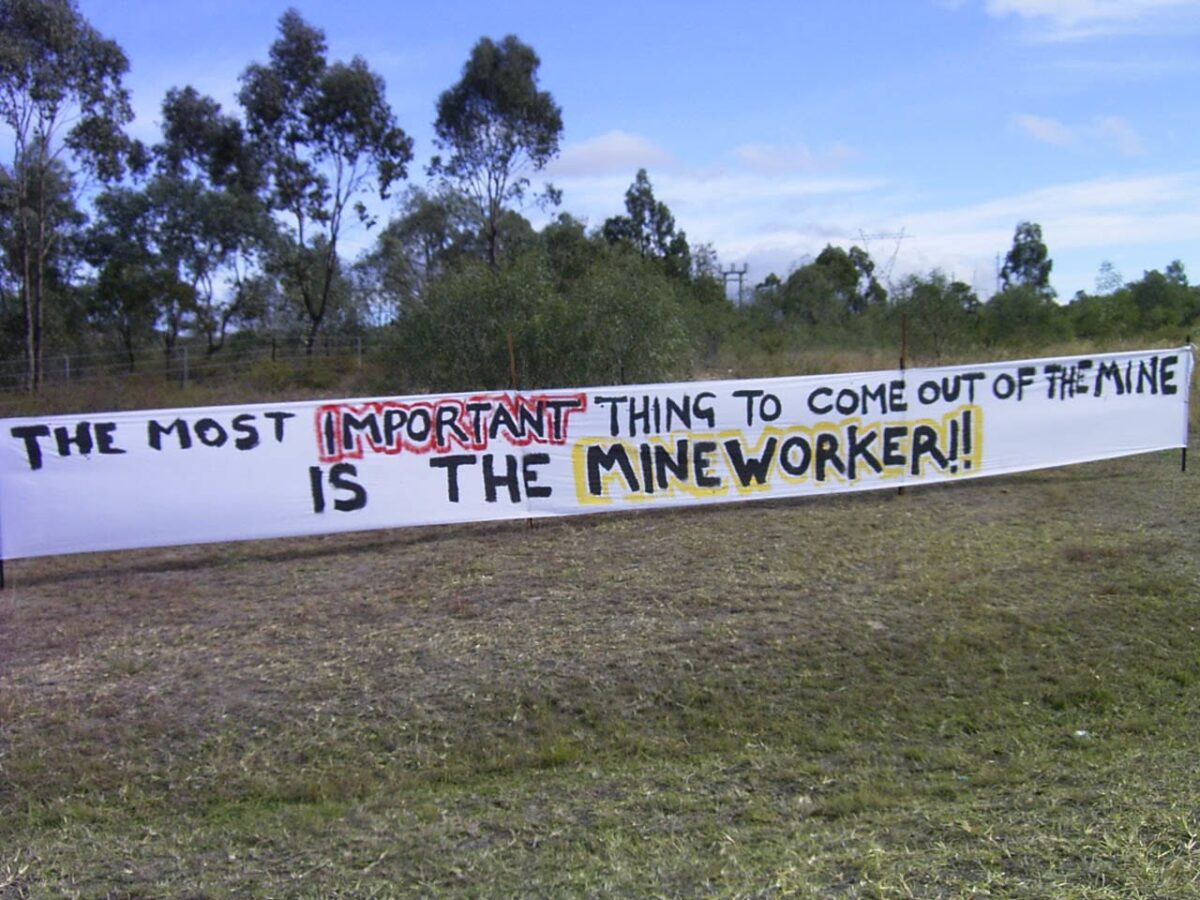
Because, after all, the most important thing to come out of a mine – is the miner.